

Choosing the Right Treatment for Molar Pain: Root Canal or Extraction?

When molar tooth pain strikes, it can be overwhelming to decide between saving your tooth with a root canal or opting for extraction. At Kim Dentistry, your dentist in Lansing, MI, Dr. Caroline Kim understands how important it is to make a choice that fits your unique dental health and lifestyle. Whether you live in Lansing or the surrounding areas like East Lansing, Holt, or Mason, our team is here to guide you through these options with care and expertise.
Both root canal therapy and molar extraction are common treatments for addressing severe tooth pain and infection, but they serve very different purposes. Root canal therapy aims to save your natural tooth by removing infected tissue inside the tooth, while extraction removes the tooth entirely when it can no longer be preserved. To get a better understanding of root canal treatment and molar extraction, don’t hesitate to contact our Lansing dental office by calling (517) 886-1100.
What Are Root Canal Therapy and Molar Extraction? A Closer Look at the Procedures
Root canal therapy is a dental procedure designed to save a tooth that has become infected or damaged deep within its pulp. During the treatment, your dentist will carefully remove the infected pulp, clean the inside of the tooth, and seal it to prevent further infection. This process helps preserve your natural tooth, maintaining your bite and chewing ability.
In contrast, molar extraction involves removing the entire tooth when it is too damaged or infected to be saved. This procedure is often recommended when the tooth is beyond repair due to decay, trauma, or infection. Extraction is a straightforward process, but it does mean losing the natural tooth, which can have implications for your oral health down the line.
How Does Root Canal Therapy Work to Treat Infected Molar Teeth?
Root canal therapy begins with numbing the area around the affected tooth to ensure you feel no pain during the procedure. The dentist then creates a small opening in the tooth’s crown to access the infected pulp chamber. Using specialized tools, the infected tissue is removed, and the inside of the tooth is thoroughly cleaned and disinfected. Finally, the tooth is filled with a biocompatible material and sealed to protect it from future infection.
This treatment not only relieves pain but also helps you keep your natural tooth, which is important for maintaining proper chewing function and the alignment of your teeth. Many patients find that root canal therapy allows them to return to normal eating and speaking habits quickly.
What Happens During a Molar Extraction and When Is It Needed?
Molar extraction is typically recommended when a tooth is severely decayed, infected, or damaged beyond repair. The procedure starts with local anesthesia to numb the area, ensuring you remain comfortable throughout. Your Lansing dentist then uses specialized instruments to gently loosen and remove the tooth from its socket.
After the extraction, proper care is essential to promote healing and avoid complications. This includes following your dentist’s instructions on oral hygiene, diet, and activity restrictions. While extraction can provide quick relief from pain, it’s important to consider the long-term effects of losing a natural tooth.
Benefits of Root Canal Therapy vs. Molar Extraction
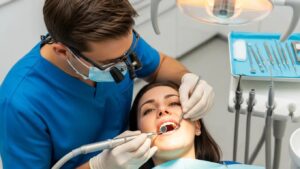 Deciding between root canal therapy and extraction involves understanding the advantages of each option.
Benefits of Root Canal Therapy
- Preserves Your Natural Tooth: Keeping your natural tooth helps maintain your bite and jawbone health.
- Relieves Pain: Effectively eliminates infection and associated discomfort.
- Cost-Effective Over Time: Avoids the need for costly tooth replacement procedures.
Benefits of Molar Extraction
- Immediate Pain Relief: Quickly removes the source of severe pain.
- Simple Procedure: Usually completed in one visit.
Why Preserving Natural Teeth with Endodontic Treatment Matters
Saving your natural tooth through root canal therapy offers many benefits beyond just pain relief. It helps maintain the natural alignment of your teeth and supports the health of your jawbone. Losing a tooth can cause neighboring teeth to shift, leading to bite problems and additional dental issues. Moreover, preserving your tooth can save you money in the long run by avoiding the need for implants or bridges.
Patients often report feeling more confident and comfortable after root canal therapy because they retain their natural smile and chewing ability. At Kim Dentistry, we prioritize treatments that support your overall oral health and quality of life.
Post-Treatment Care Tips for a Smooth Recovery
Whether you undergo root canal therapy or molar extraction, following proper post-treatment care is key to a successful recovery:
- Follow Your Dentist’s Instructions: Adhere closely to any guidelines provided by Dr. Caroline Kim.
- Maintain Gentle Oral Hygiene: Brush and floss carefully around the treated area to keep it clean.
- Stick to Soft Foods: Avoid hard or crunchy foods for several days to prevent irritation.
- Stay Hydrated: Drinking plenty of water supports healing and overall health.
By taking these steps, you can help ensure your mouth heals properly and reduce the risk of complications.
Make the Best Choice for Your Dental Health with Your Lansing Dentist
Choosing between root canal therapy and molar extraction is a significant decision that impacts your oral health and quality of life. At Kim Dentistry in Lansing, MI, Dr. Caroline Kim and her team are dedicated to helping you understand your options and providing compassionate, expert care. Preserving your natural tooth through root canal therapy is often the preferred choice for long-term health, but extraction may be necessary in certain cases.
We invite you to schedule a consultation with us to discuss your symptoms and treatment goals. Serving Lansing and nearby communities such as East Lansing, Holt, Mason, and DeWitt, Kim Dentistry is your trusted partner for comprehensive dental care. Don’t wait to get the relief you deserve, schedule a consultation with your Lansing dentist by calling (517) 886-1100 to take the first step toward a healthier, pain-free smile.