

Cut, Swollen, or Bleeding Gums? What to Do After a Gum Injury
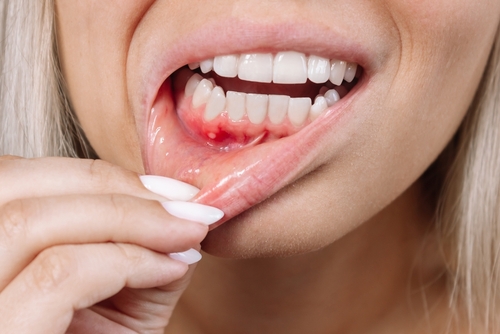 A small cut or scrape on your gums can be alarming, especially when it bleeds more than you’d expect from such a minor injury. The good news is that most gum injuries are minor, heal quickly, and can be managed right at home with a little care. Still, it helps to know what causes gum injuries in the first place, how to treat them properly, and when an issue is serious enough to call in a dental professional.
Our Lansing, MI dentist, Dr. Caroline Kim, Kim Dentistry breaks down everything Lansing families need to know about gum injuries, from everyday causes to long-term prevention tips. Don’t wait for your dental concerns, schedule an appointment at our East Lansing dental office today by calling (517) 886-1100.
What Are Gum Injuries and Why Do They Happen?
A gum injury is any form of damage to the soft tissue surrounding your teeth, including cuts, tears, abrasions, punctures, or bruising. Gum tissue is delicate compared to the enamel of your teeth, which makes it more prone to injury from everyday activities, dental habits, and even certain foods.
Common Scenarios Leading to Gum Injuries
Gum injuries can happen in a variety of everyday situations, such as:
- Brushing too hard or using a toothbrush with stiff bristles
- Biting into hard foods like ice, popcorn kernels, or hard candy
- Flossing incorrectly or snapping floss against the gumline
- Sports injuries or accidental falls
- Poorly fitted braces, retainers, or dentures rubbing against the gums
- Using toothpicks or other sharp objects improperly
Understanding Gum Sensitivity and Vulnerability
Gums are made of soft, vascular tissue, which means they bleed easily and can be sensitive to pressure, temperature, and friction. Certain factors, such as hormonal changes, existing gum disease, or a weakened immune system, can make gums even more vulnerable to injury and slower to heal.
Common Causes of Gum Injuries You Should Know
Accidental Cuts and Abrasions
Everyday accidents are one of the most common culprits behind gum injuries. Biting down unexpectedly on a fork, sharp-edged chip, or bone fragment can cause a small cut or puncture. Even something as simple as a toothbrush bristle poking the gumline repeatedly can lead to irritation over time.
Impact of Poor Dental Hygiene
Neglecting regular brushing and flossing allows plaque and bacteria to build up along the gumline, which weakens gum tissue and makes it more prone to injury and infection. On the flip side, overly aggressive brushing can be just as damaging, wearing down gum tissue and causing recession or cuts.
The Role of Dental Appliances in Gum Injuries
Braces, retainers, dentures, and other dental appliances are common sources of gum irritation, especially when they don’t fit properly or have sharp edges. Wires that poke out or appliances that shift can rub against soft tissue, leading to sores, cuts, or ongoing irritation until they’re adjusted.
Recognizing Symptoms of a Gum Injury
Signs of a Cut on Gums
A cut or injured area on the gums often appears as a visible tear, a small open wound, or a patch of redness. You may notice slight bleeding, especially right after the injury occurs, along with tenderness in the affected area.
Pain and Discomfort Indicators
Along with visible signs, gum injuries often bring discomfort such as a stinging or throbbing sensation, sensitivity to hot or cold foods, and pain when chewing or brushing near the affected area.
Red Flags: When Symptoms Worsen
While most minor gum injuries heal without complication, watch for warning signs that something more serious is going on, including worsening pain, swelling that spreads, pus or discharge, a foul taste or odor, or bleeding that doesn’t subside after a few minutes of gentle pressure.
How to Treat a Cut on Your Gums at Home
 Immediate Steps for Minor Cuts
 Immediate Steps for Minor Cuts
For minor gum injuries, start by rinsing your mouth gently with warm water to clean the area. Apply light pressure with a clean piece of gauze or a soft cloth if there’s any bleeding, and avoid touching or poking at the injury with your tongue or fingers.
Home Remedies to Ease Discomfort
Several simple remedies can help ease discomfort while a minor gum injury heals:
- Rinsing with a warm saltwater solution a few times a day
- Applying a cold compress to the outside of the cheek to reduce swelling
- Sticking to soft, cool foods for a day or two
- Avoiding spicy, acidic, or crunchy foods that could further irritate the area
Healing Time for Gum Injuries
Most minor gum cuts and abrasions begin to heal within a few days and are typically fully healed within a week. Larger or deeper injuries may take longer and are more likely to benefit from a dentist’s evaluation to ensure proper healing.
When to Visit Our Lansing Dental Office for Gum Injuries
Persistent Pain and Bleeding
If pain or bleeding continues beyond a few days, or if bleeding is heavy and doesn’t stop with gentle pressure, it’s time to reach out to a dental professional. These can be signs that the injury is more significant than it initially appeared.
Signs of Infection in the Gums
Infection is one of the most important complications to watch for after a gum injury. Symptoms like increasing swelling, warmth around the area, pus, fever, or worsening pain days after the initial injury all warrant a dental visit.
Understanding When Professional Help is Needed
Even if an injury seems minor, appliance-related irritation, deep cuts, or injuries involving broken teeth alongside gum damage should be evaluated by a dentist. Catching complications early helps prevent bigger issues down the road, including infection or long-term gum recession.
Effective Tips for Preventing Gum Injuries
Best Practices for Oral Hygiene
A gentle, consistent oral hygiene routine is one of the best defenses against gum injuries. Brush with light, circular motions rather than aggressive back-and-forth scrubbing, and floss carefully, easing the floss between teeth rather than snapping it against the gums.
Choosing the Right Dental Products
Not all dental products are created equal when it comes to gum health. Opt for a soft-bristled toothbrush, and consider an electric toothbrush with a pressure sensor if you tend to brush too hard. If you wear braces or a retainer, ask your dentist about orthodontic wax to cover any sharp or irritating edges.
Safe Eating Habits to Protect Your Gums
Being mindful of what and how you eat can go a long way in preventing gum injuries. Cut hard foods into smaller pieces, chew slowly and carefully, avoid biting directly into ice or hard candy, and be cautious with bony meats and fish that may contain small, sharp fragments.
The Healing Process: What to Expect After a Gum Injury
Normal Healing Time for Gum Cuts
Gum tissue tends to heal relatively quickly thanks to its rich blood supply. Minor injuries typically show noticeable improvement within a couple of days, with full healing often complete within one to two weeks depending on the severity.
Factors That Can Affect Healing
Several factors can influence how quickly a gum injury heals, including the depth and size of the wound, your overall oral hygiene, whether you smoke or use tobacco products, underlying health conditions like diabetes, and how well you care for the area during recovery.
Tips to Promote Faster Recovery
To support faster healing, continue gentle brushing around (not directly on) the injured area, rinse with warm salt water regularly, stay hydrated, eat a balanced diet to support tissue repair, and avoid irritants like alcohol-based mouthwash until the area has healed.
Emergency Situations: When Gum Injuries Need Immediate Help
Identifying Serious Gum Injuries
Some gum injuries require urgent attention, particularly those involving heavy, uncontrolled bleeding, large tears in the gum tissue, injuries accompanied by a knocked-out or badly damaged tooth, or trauma from a significant fall or impact.
Steps to Take in a Dental Emergency
If you’re dealing with a serious gum injury, apply firm, steady pressure with clean gauze, use a cold compress to help control swelling, and avoid eating or drinking until you’ve been evaluated. Contact your emergency dentist in Lansing right away to explain the situation and get guidance on next steps.
When to Seek Immediate Medical Attention
If bleeding won’t stop after 10 to 15 minutes of consistent pressure, if you suspect a broken jaw, or if the injury resulted from a significant accident, seek emergency medical or dental care right away rather than waiting for a regular appointment.
The Role of Dental Care in Preventing Gum Injuries
 Importance of Regular Dentist Visits
 Importance of Regular Dentist Visits
Routine dental exams allow your Lansing dentist to catch early signs of gum recession, weakened tissue, or appliance-related irritation before they turn into bigger problems. Regular visits also give you a chance to ask questions about your specific oral hygiene routine.
Professional Cleanings and Their Benefits
Professional dental cleanings remove plaque and tartar buildup that can weaken gum tissue over time. Keeping up with cleanings helps maintain strong, resilient gums that are naturally more resistant to injury and irritation.
Personalized Advice from Dr. Kim
Every smile is different, which is why personalized guidance matters. At Kim Dentistry, our Lansing dental professionals takes time to assess your unique oral health needs and offer tailored recommendations, whether that means adjusting your brushing technique, addressing an ill-fitting appliance, or recommending gum-friendly products.
Long-Term Gum Health: Maintaining Strong and Resilient Gums
Daily Habits for Healthy Gums
Building healthy daily habits is key to long-term gum health. This includes brushing twice a day with a soft-bristled brush, flossing gently once a day, using an alcohol-free mouthwash if recommended by your dentist, and avoiding tobacco products.
The Impact of Diet on Gum Health
What you eat plays a bigger role in gum health than many people realize. A diet rich in vitamin C, calcium, and antioxidants supports strong connective tissue, while excessive sugar and acidic foods can contribute to inflammation and weakened gums over time.
Monitoring Changes in Gum Condition
Pay attention to changes in your gums, such as increased sensitivity, bleeding during brushing, recession, or persistent redness. Catching these changes early and bringing them up at your next visit can help prevent minor issues from developing into more serious gum injuries or disease.
Frequently Asked Questions
Yes, gum tissue has a rich blood supply, so even small cuts or scrapes can bleed more than you’d expect. In most cases, gentle pressure with clean gauze will stop the bleeding within a few minutes. If bleeding is heavy, doesn’t stop after 10 to 15 minutes, or keeps recurring over the following days, it’s a good idea to have a dentist take a look.
Most minor gum injuries, like small cuts from a toothbrush bristle or a sharp piece of food, will heal on their own within a few days to a week with basic at-home care. However, larger cuts, deep punctures, or injuries involving a dental appliance often heal better and faster with professional guidance, since a dentist can rule out complications and make sure nothing is trapped in the wound.
A gum injury is physical damage to the tissue, such as a cut, tear, or bruise, usually caused by an outside factor like an accident or aggressive brushing. Gum disease, on the other hand, develops gradually from plaque and bacteria buildup along the gumline and can cause ongoing inflammation, bleeding, and recession even without any physical trauma. That said, an untreated or repeatedly irritated gum injury can make tissue more vulnerable to infection and gum disease over time.
Watch for signs like bleeding that won’t stop, swelling that spreads beyond the original injury, pus or a foul odor, fever, or pain that gets worse instead of better after a couple of days. Injuries caused by a fall, sports accident, or that occur alongside a chipped or knocked-out tooth should also be evaluated by a dentist, even if the gum tissue itself looks minor.
Protecting Your Smile Starts with a Visit to Our Lansing Dental Office
Gum injuries are common, but most are preventable with the right daily habits and a little extra care around your dental routine. Knowing how to respond to a minor cut, and when it’s time to call in professional help, can make all the difference in keeping your gums healthy for the long run.
If you’re dealing with a gum injury or simply want personalized guidance on protecting your smile, Dr. Caroline Kim and the team at Kim Dentistry are here for you. As a trusted dentist in Lansing, MI, we proudly care for patients throughout Lansing and the surrounding communities, including East Lansing, Okemos, Holt, DeWitt, Grand Ledge, Haslett, Mason, and Charlotte.
Experiencing gum discomfort or want to schedule a checkup? Contact our Lansing dental office today by calling (517) 886-1100 to schedule an appointment with Dr. Kim and keep your smile healthy and strong.