

Why Bone Augmentation is Key to Successful Dental Implants at Kim Dentistry
 When it comes to dental implants, having a strong and healthy jawbone is absolutely essential. Bone augmentation is a specialized procedure that helps restore lost bone in the jaw, creating a solid foundation for implants to thrive. Whether due to tooth loss, gum disease, or injury, many people experience jawbone shrinkage that can make implant placement challenging. At Kim Dentistry, our dentist in Lansing, MI, Dr. Caroline Kim and her team understand the importance of this procedure and offer care to patients from Lansing and surrounding areas like East Lansing, Okemos, Holt, and Mason.
To determine if you need bone augmentation prior to getting dental implants, don’t hesitate to contact our Lansing implant dentist by calling (517) 886-1100.
Why Choose Our Lansing Implant Dentist for Bone Augmentation
Choosing the right dental professional for bone augmentation is necessary for achieving the best possible results. Dr. Caroline Kim at Kim Dentistry in Lansing, MI, is a highly skilled implant dentist who has completed advanced graduate training in prosthodontics. This specialized training equips her with knowledge and techniques in restoring and replacing teeth, particularly through dental implants and related procedures like bone augmentation.
Dr. Kim’s comprehensive education and experience ensure that each patient receives personalized care tailored to their unique needs. Her proficiency in implant dentistry allows her to perform bone augmentation with precision, maximizing the chances of successful implant integration and long-term stability. Patients can trust that they are in capable hands, benefiting from the latest advancements in dental technology and minimally invasive surgical methods.
At Kim Dentistry, the focus is on compassionate, patient-centered care. Dr. Kim and her team work closely with each individual to develop a treatment plan that prioritizes comfort, safety, and optimal outcomes. Whether you require a simple graft or a more complex augmentation procedure, you can be confident that your care is managed by a dedicated professional committed to restoring your smile and oral health.
What Is Bone Augmentation and Why Is It Essential for Dental Implants?
Bone augmentation refers to a set of surgical procedures aimed at increasing the volume of bone in the jaw. This is essential for dental implants, as a sufficient amount of bone is necessary to support the implant securely. Without adequate bone density, implants may fail, leading to complications and the need for additional procedures. The importance of bone augmentation cannot be overstated, as it directly impacts the success rate of dental implants, which can be as high as 95% when performed on a stable foundation.
Jawbone Loss and Its Impact on Implant Success
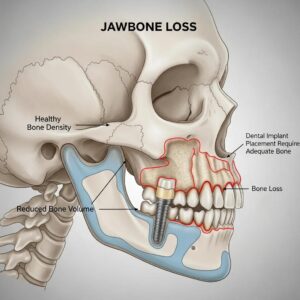 Jawbone loss can occur for various reasons, including tooth loss, aging, and certain medical conditions. When teeth are lost, the underlying bone begins to resorb, leading to a decrease in volume and density. This loss can significantly affect the stability of dental implants, making it challenging to achieve successful outcomes. Preventive measures, such as timely dental interventions and regular check-ups, can help mitigate the risk of jawbone loss and ensure that patients maintain sufficient bone density for future dental procedures.
How Bone Augmentation Restores Jawbone Volume for Stable Implants
Bone augmentation restores jawbone volume through various surgical techniques that involve adding bone or bone-like materials to the jaw. This process is vital for creating a stable environment for dental implants. The augmentation can be performed using different methods, including ridge augmentation and sinus lifts, depending on the specific needs of the patient. The osseointegration process, where the bone fuses with the graft material, is crucial for the long-term success of the implants.
Types of Bone Grafts Used in Bone Augmentation Procedures
Several types of bone grafts are utilized in bone augmentation procedures, each with its advantages and considerations. The choice of graft material depends on the patient’s specific needs and the extent of bone loss.
- Autografts: These are bone grafts taken from the patient’s own body, typically from the hip or chin. They offer the highest success rates due to their compatibility.
- Allografts: Sourced from human donors, allografts are processed and sterilized to ensure safety. They are a viable option for patients who prefer not to undergo additional surgery for autografts.
- Xenografts: These grafts are derived from animal sources, usually bovine. They provide a scaffold for new bone growth and are often used in conjunction with other graft types.
- Synthetic Materials: Biocompatible materials can also be used to stimulate bone growth. These materials are designed to mimic natural bone and can be an effective alternative.
What Should Patients Expect During Bone Augmentation and Recovery?
 The bone augmentation procedure generally follows these steps:
- Consultation and Planning: A comprehensive evaluation of the patient’s dental health and imaging studies to determine the extent of bone loss.
- Anesthesia Administration: Local anesthesia is administered to ensure patient comfort during the procedure.
- Graft Placement: The chosen graft material is placed in the targeted area of the jawbone.
- Closure: The surgical site is closed with sutures, and the patient is given post-operative care instructions.
Typical Bone Graft Recovery Time and Aftercare Guidelines
Recovery from bone augmentation typically takes several weeks, with most patients experiencing significant healing within 4-6 months. Aftercare is essential for a successful recovery, including:
- Follow-Up Appointments: Regular check-ups to monitor healing progress.
- Medication Adherence: Taking prescribed medications to manage pain and prevent infection.
- Dietary Adjustments: Soft foods are recommended during the initial recovery phase to avoid stress on the surgical site.
Frequently Asked Questions
Dr. Kim will evaluate your jawbone through imaging tests like X-rays or CT scans to determine if there is enough bone to support implants. If bone loss is detected, bone augmentation may be recommended to ensure implant stability.
Bone augmentation is performed under local anesthesia, so you should not feel pain during the procedure. Some discomfort, swelling, and mild pain can be expected during recovery, but these symptoms are manageable with prescribed medications.
Recovery times vary depending on the extent of the procedure, but most patients heal significantly within 4 to 6 months. This healing period allows the graft to integrate with your natural bone before implant placement.
In some cases, if there is enough existing bone to stabilize the implant, bone augmentation and implant placement can be done simultaneously. However, often the graft needs time to heal first, so the implant is placed in a separate procedure.
Get Excellent Bone Augmentation Care at Kim Dentistry in Lansing, MI
If you’re considering dental implants and want to ensure the best possible outcome, bone augmentation might be the key step you need. Dr. Caroline Kim and the dedicated team at Kim Dentistry provide personalized, compassionate care for patients in Lansing and nearby communities including East Lansing, Okemos, Holt, and Mason. We’re here to guide you through every step of the process, from initial consultation to recovery, helping you achieve a healthy, confident smile.
Don’t wait to restore your smile and oral health. Contact the best dentist in Lansing by calling (517) 886-1100 to schedule your consultation and learn more about how bone augmentation can prepare you for successful dental implants.