
Your Trusted Dentist in Lansing for Gentle Tooth Extractions
 Your experienced dentist in Lansing, Dr. Caroline Kim and her dedicated team understand that facing a tooth extraction can be a source of anxiety for many patients. Whether you’re dealing with a painful wisdom tooth or a severely decayed molar, knowing what to expect can make the process much smoother.
Serving Lansing and the surrounding areas including East Lansing, Holt, Mason, and Okemos, our practice is committed to providing compassionate care and expert treatment. If you’re experiencing severe tooth pain and are in need of an extraction, don’t hesitate to schedule an appointment at Kim Dentistry by calling (517) 886-1100.
Why Dr. Kim is the Best Choice for Your Extraction in Lansing?
Choosing Dr. Caroline Kim means opting for a dentist who combines expert treatment with deeply compassionate care. At Kim Dentistry, we specialize in all types of extractions, including simple, surgical, and wisdom tooth removal, ensuring that every patient receives the precise care they need. Dr. Kim is committed to your comfort, utilizing both local anesthesia and various sedation options to minimize anxiety and pain during your procedure. Beyond the treatment itself, our team provides comprehensive post-operative support and detailed guidance to ensure your recovery is as smooth and comfortable as possible.
What Are the Different Types of Tooth Extractions?
Tooth extractions generally fall into two categories: simple extractions and surgical extractions. Each type is tailored to the specific needs of the patient and the condition of the tooth.
Simple vs. Surgical Extractions
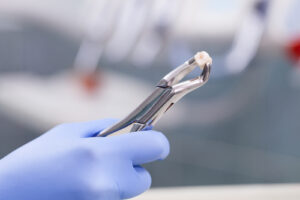 Simple extractions are performed on teeth that are visible and easily accessible in the mouth. These procedures are usually done under local anesthesia, so you’ll be awake but won’t feel pain. The dentist uses specialized tools to gently loosen and remove the tooth.
Surgical extractions are more involved and are necessary when a tooth is impacted or not easily reachable, such as wisdom teeth that haven’t fully erupted. This procedure may require making an incision in the gum and sometimes removing bone around the tooth. Surgical extractions are often done under sedation or general anesthesia to ensure your comfort.
When Is Wisdom Tooth Removal Necessary?
Wisdom teeth often cause problems because they don’t have enough room to come in properly. This can lead to pain, swelling, infection, or crowding of other teeth. If you experience these symptoms or if your dentist notices potential issues during an exam, removal might be recommended. It’s best to evaluate wisdom teeth in your late teens or early twenties to prevent complications. At Kim Dentistry, we prioritize your comfort and work closely with you to manage any dental anxiety, ensuring a calm and reassuring experience during wisdom tooth removal or any extraction procedure.
What to Expect During a Tooth Extraction Procedure at Kim Dentistry
Knowing the steps involved in a tooth extraction can help ease your mind and prepare you for the appointment.
Local Anesthesia and Comfort
Before the extraction begins, Dr. Kim will administer local anesthesia to numb the area around the tooth. This means you won’t feel pain during the procedure, though you might sense some pressure or movement. If you’re particularly anxious or if the extraction is surgical, sedation options are available to help you relax.
The Extraction Process
Your Lansing dentist will use specialized instruments to loosen the tooth from its socket and carefully remove it. The procedure typically takes between 20 to 40 minutes, depending on the complexity. After the tooth is removed, the area will be cleaned, and you’ll receive detailed instructions on how to care for the site to promote healing. Scheduling a follow-up appointment is important to ensure your mouth is healing properly and to address any concerns you might have. At Kim Dentistry, we’re here to support you throughout your recovery.
Managing Pain and Recovery After Tooth Extraction
 Proper pain management and care after your extraction are key to a smooth and comfortable recovery.
Effective Pain Relief Options
Most patients find relief with over-the-counter pain medications like ibuprofen or acetaminophen. In some cases, Dr. Kim may prescribe stronger painkillers if needed. Applying ice packs to the cheek can also help reduce swelling and discomfort during the first 24 to 48 hours after the procedure.
Recovery Timeline
Initial healing usually takes place within the first 24 to 72 hours, with most patients feeling significantly better after a few days. Complete healing of the extraction site can take one to two weeks. Following your dentist’s post-operative care instructions, such as avoiding strenuous activity, not smoking, and maintaining good oral hygiene, will help ensure a smooth recovery.
During the first few days, it’s important to rest and avoid any activities that could disrupt the healing process. Drinking plenty of fluids and eating soft foods will support your body’s recovery. Avoid using straws or spitting forcefully, as these actions can dislodge the blood clot and lead to complications like dry socket.
Maintaining oral hygiene is crucial, but be gentle around the extraction site. You can rinse your mouth with warm salt water starting 24 hours after the procedure to help keep the area clean and reduce the risk of infection. If you notice increased pain, swelling, or any signs of infection, contact Kim Dentistry promptly for evaluation and care.
Frequently Asked Questions
Thanks to modern dental techniques, extractions are typically much more comfortable than patients expect. Local anesthesia is used to fully numb the area, so you should not feel pain during the procedure itself—only some mild pressure as the tooth is removed. If you’re feeling anxious, sedation options may also be available to help you relax. After the procedure, it’s normal to experience some soreness or swelling, but this can usually be managed effectively with prescribed or over-the-counter pain medication, along with proper aftercare.
It’s important to wait until the numbness from anesthesia has completely worn off before eating to avoid accidentally biting your cheek or tongue. Once you’re ready, stick to soft, easy-to-chew foods such as yogurt, mashed potatoes, applesauce, or soup (lukewarm, not hot) for the first 24–48 hours. Gradually reintroduce more solid foods as you feel comfortable. Avoid crunchy, sticky, spicy, or very hot foods during the early healing period, as these can irritate the extraction site or disrupt the healing process.
Whether you can drive yourself home depends on the type of anesthesia used. If your procedure involves only local anesthesia, you’ll likely feel alert enough to drive yourself afterward. However, if you receive sedation or general anesthesia, your coordination and reaction time may be impaired for several hours. In these cases, it’s essential to arrange for a trusted friend or family member to drive you home and stay with you until the effects wear off.
Dry socket is a condition that occurs when the protective blood clot at the extraction site becomes dislodged or dissolves too soon, exposing the underlying bone and nerves. To reduce your risk, avoid smoking or using tobacco products, drinking through straws, or spitting forcefully for at least 24–72 hours after your procedure. It’s also important to follow your dentist’s aftercare instructions closely, including gentle rinsing (when recommended) and keeping the area clean. Eating soft foods and avoiding vigorous physical activity during the initial healing phase can also help protect the clot and promote proper healing.
Schedule Your Tooth Extraction Appointment at Our Lansing Dental Office
If you’re in need of a tooth extraction in Lansing, MI, Kim Dentistry is here to provide the gentle, expert care you deserve. Whether you require a simple extraction, a surgical procedure, or wisdom tooth removal, Dr. Caroline Kim and her dedicated team prioritize your comfort every step of the way with local anesthesia and sedation options. By following our detailed aftercare guidance, you can ensure a smooth and successful recovery.
Don’t let dental anxiety or pain hold you back, contact the best Lansing dentist by calling (517) 886-1100 to schedule your consultation and take the first step toward a healthier, more comfortable smile.